
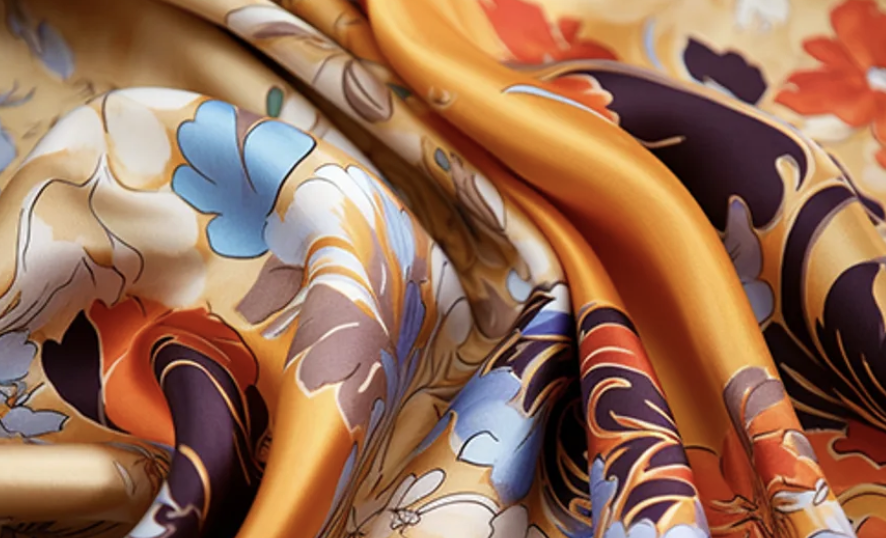
In the world of fashion, choosing the right fabric for custom scarves, pocket squares, and accessories is paramount. With countless options available, it’s essential to understand the characteristics and uses of different materials. In this blog post, we will delve into the distinctions between silk, satin, and polyester, offering insights tailored for fashion brands, corporate buyers, and designers. As an added advantage, Contrado’s custom products can help your business enhance its inventory with exquisite items designed to make a lasting impression.
Understanding Fibres and Weaves
Before we dive into the fabrics themselves, it’s crucial to grasp the difference between fibres and weaves:
- Fibre: This refers to the raw material from which fabrics are made. Natural fibres, like silk, come from plants or animals, whereas synthetic fibres, such as polyester, are chemically manufactured.
- Weave: This pertains to how the fibres are interlaced to create fabric. Different weaves will affect the texture, appearance, and performance of the fabric.
What is Silk?
Silk is a luxurious natural fibre produced by silkworms. Renowned for its softness and sheen, it’s a symbol of elegance in fashion. The natural properties of silk lend themselves to a wonderfully comfortable wearing experience, making it an ideal choice for high-end accessories.
What is Satin?
Satin is primarily a weave technique rather than a specific type of fibre. Traditionally, silk can be woven into satin, making the resulting fabric both smooth and shiny. This weave gives satin its distinct glossy surface on one side, while the reverse side remains dull. However, satin can also be made from other fibres, including polyester, which is often more affordable.
Comparing Silk Satin and Polyester Satin
The differences between silk satin and polyester satin are significant and will impact how the fabric performs:
- Shine: Silk satin has a more natural and radiant shine, while polyester satin tends to be somewhat plastic-like and less lustrous.
- Drape: Silk satin drapes beautifully and gracefully falls over the body, exuding elegance. Polyester satin, in contrast, may not drape as fluidly, often appearing stiffer.
- Durability: Polyester satin is generally more durable than silk, resilient to wear and tear, making it suitable for regular use. Silk, while luxurious, requires more care and attention.
- Breathability: Silk is naturally breathable, providing comfort in warm conditions. Polyester satin, being a synthetic fabric, can trap heat and may not be as comfortable in hotter climates.
- Print Results: Silk provides exceptional vibrancy when printed, rendering colours with remarkable depth. While polyester satin can also hold prints well, the results may not match the richness achieved on silk.
Best Uses for Each Fabric
When selecting fabrics for scarves, pocket squares, and fashion accessories, understanding their best applications is crucial:
| Fabric Type | Best Used For |
|---|---|
| Silk | High-end scarves and elegant pocket squares, ideal for formal events and luxury gifts. |
| Satin (Silk) | Glamorous evening accessories, where a soft drape and high shine are required. |
| Satin (Polyester) | Affordable everyday accessories, suitable for corporate gifts and events where durability is paramount. |
Practical Recommendations for Luxury vs Corporate Use
Here are some tailored recommendations to guide your fabric selection:
- Luxury Use: For high-end fashion accessories, opt for silk or silk satin. They provide the opulence and quality expected in luxury markets, making them ideal for bespoke designs.
- Corporate Use: If you’re looking for cost-effective solutions without compromising on style, polyester satin can be a smart choice. Its durability makes it suitable for branded giveaways and corporate events.
Conclusion
In the quest for the perfect fabric, understanding the differences between silk, satin, and polyester is essential for fashion brands, corporate buyers, and designers. Whether you require the lavishness of silk, the elegance of satin, or the resilience of polyester, each fabric has unique attributes suited for various applications in accessories. By making informed choices, you can ensure that your creations stand out in a competitive market.